Cows can produce potent antibodies against HIV: Study
22 Jul 2017
In a new study published yesterday in the journal Nature, researchers at the Scripps Research Institute, the International AIDS Vaccine Initiative (IAVI) and Texas A&M University report that they were able to induce production of potent antibodies against HIV in cows.
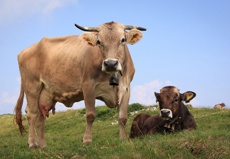 Though HIV infection does not happen in cows their immune systems produce unique antibodies to defend against it.
Most humans are not able to produce broadly neutralising antibodies (bNAbs), which are naturally occurring antibodies that can defend a cell against the virus and even in people who do produce them, production typically starts around two years after infection.
"We are faced with a dilemma," says Dr Anthony Fauci, director of the National Institute of Allergy and Infectious Diseases (NIAID), whose agency is supporting the new research, Time reported. "People infected do not seem to make really good antibodies in terms of potency and breadth."
The researchers injected four calves with HIV immunogens, that were proteins designed to elicit an immune response to the virus. They discovered that the cows very rapidly developed bNAbs to HIV in their blood.
"I was shocked," says study author Devin Sok, the director of antibody discovery and development at IAVI . "It was really crazy and very exciting. The responses developed very quickly - between one to two months - which is well beyond what we anticipated."
According to the US National Institutes of Health the findings were of "great interest".
HIV was able to mutate so readily that every time a patient's immune system found a way of attacking the virus, HIV shifted its appearance.
However, a small proportion of patients eventually developed "broadly neutralising antibodies" following years of infection. These attacked parts the virus could not change.
The researchers at International Aids Vaccine Initiative and the Scripps Research Institute then tried immunising cows.
"The response blew our minds," Dr Devin Sok, one of the researchers, told the BBC News website.
The required antibodies were being produced by the cow's immune system in a matter of weeks.
Dr Sok added, "It was just insane how good it looked, in humans it takes three-to-five years to develop the antibodies we're talking about.
"This is really important because we hadn't been able to do it, period. Who would have thought cow biology was making a significant contribution to HIV."