Dental fillings raise levels of mercury in the body, UGA study says
29 Sep 2016
Dental surface restorations composed of dental amalgam, a mixture of mercury, silver, tin and other metals, significantly contribute to prolonged mercury levels in the body, according to new research from the University of Georgia's department of environmental health science in the College of Public Health.
 | |
| Assistant professor Xiaozhong (John) Yu and scientist Lei Yin, both from the University of Georgia's College of Public Health, conducted research that shows dental amalgam can contribute to prolonged mercury levels in the body |
This research, which analysed data from nearly 15,000 individuals, is the first to demonstrate a relationship between dental fillings and mercury exposure in a nationally representative population.
The results were published online last week and will be available in the print edition of the journal Ecotoxicology and Environmental Safety in December.
"Tooth decay is one of the most prevalent chronic diseases," said Lei Yin, a scientist in the department of environmental health science and the study's lead author. "I think a majority of people have experienced dental fillings, but the kind of materials the dentist uses isn't something that's really discussed."
Mercury exposure from dental fillings is not a new concern, but previous studies were inconsistent and limited, according to Xiaozhong "John" Yu, assistant professor of environmental health science and co-author of the study.
"This study is trying to provide the most accurate levels of exposure, which will form the scientific basis to make future risk assessment," Yu said, adding that the study was the first to also control for age, education, ethnicity, race, gender, smoking and seafood consumption, which is a known contributor to mercury levels in the body.
The researchers further analysed exposure by specific types of mercury and found a significant increase in methyl mercury, the most toxic form of mercury, related to dental fillings. Yu said this result suggests the human gut microbiota, a collection of microorganisms living in the intestines, may transform different types of mercury.
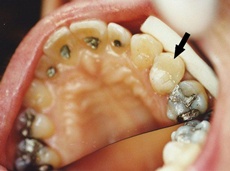 Dental amalgam has been the go-to dental filling material for more than 150 years, because it's affordable and durable. However, about half of the compound contains mercury, a heavy metal known to be toxic at high levels, causing brain, heart, kidney, lung and immune system damage. New research suggests that methyl mercury may cause damage even at low levels.
"As toxicologists, we know that mercury is poison, but it all depends on the dose. So, if you have one dental filling, maybe it's OK. But if you have more than eight dental filings, the potential risk for adverse effect is higher," Yu said. People with numerous dental fillings who are also exposed to mercury from other sources, such as seafood or work environments, are most at risk.
The results show that individuals with more than eight fillings had about 150 per cent more mercury in their blood than those with none. The average American has three dental fillings, while 25 per cent of the population has 11 or more fillings.
According to its website, the US Food and Drug Administration considers dental amalgam fillings safe for adults, but says, "pregnant women and parents with children under six who are concerned about the absence of clinical data as to long-term health outcomes should talk to their dentist."
The study also looked at dental composite resins, a mercury-free alternative for dental fillings that can release small amounts of bisphenol A, or BPA, which may cause developmental or reproductive damage. The results found no association between dental fillings and urinary BPA, but further research is needed to understand BPA exposure from resin-based materials.
"It's important for doctors and patients to be informed in their selections," Yin said. "We now have an excellent starting point to evaluate the potential risk of dental material on human health."
Xiao Song from the department of epidemiology and biostatistics in the UGA College of Public Health, and Simon Lin from the University of Washington's Center for Pediatric Dentistry also contributed to the study.side and outside