Productivity in Indian agriculture
In
the second of our t
03 July 2004
 India occupies the top slot in dairy and fruits production while also occupying the first or second position in the world in several crops in terms of area and production. But its slips in terms of productivity-per-hectare to a low 52 for rice, which led India's Green Revolution in the late '60s, 38 for wheat and much lower in several other crops. The productivity of some crops is not only low but they also remained stagnant over the years.
In the year 1966-67, the year of the drought when India was forced to import 11 million tonnes of food grains. The year before, India had imported 10 million tones of food grains. The Green Revolution of 1960s and early '70s, raised productivity levels on the one hand, but on the other increased the income disparities between the rich and the poor.
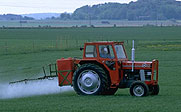
This Green Revolution modernised agriculture with widespread use of new equipment, high yielding seeds and new farm technology. The equipment and technology ranged from using tractors instead of cattle to till the soil to the use of new fertilisers which led to high yielding varieties. And the immediate result was awesome; showing a great increase in the production of crops like rice and wheat.
But the other side of the coin was not that bright as the growth was far from uniform. Due to the geographical differences, only states like Punjab; which were well managed with irrigation and fertile soils, reaped the benefits. Moreover, wealthier farmers were in a better position to invest in new technology and profit from it, but the smaller farmers lacked capital and most of them were displaced from their farms. Therefore, the Green Revolution became region-specific and widened income disparities between smaller poor farmers and the richer big farmers.
The five-year plans and other policies provided for compensation to the small farmers through agricultural subsidies and credits. The indirect subsidies also came in the picture in terms of free electricity and water in some states. To compensate more, a public distribution system was set up to meet the basic needs of low income groups. Small farmers also benefited from public spending on infrastructure and other support services. This along with good rains in the late '70s and early '80s helped raise the earnings of small farmers and the rural poverty graph began to decline as a result.
But subsidies also brought greater inefficiencies in farming. They led to environmental and production distortions. The subsidy on fertiliser caused serious nutrient imbalances in the soil through untenable fertilizer application. Moreover, the subsidies on fertilisers benefited fertiliser manufacturers at the cost of the small farmers. Other subsidies on irrigation and rural power distorted cropping patterns by promoting crops that needed a lot of water in dry regions or those with low groundwater tables.
