US Senate bails out markets – passes $700-billion package
02 October 2008
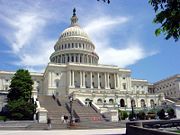
 Washington: In a single sitting the US Senate cleared two controversial, yet crucial, Bills that had the administration, US businesses and financial markets on edge. Apart from the Indo-US nuclear deal, the Senate also cleared a $700 billion bailout package for financial institutions. This vote was considered by market pundits as crucial to averting economic catastrophe.
The bailout package aims to reinvigorate worldwide credit markets as well as interbank lending. A market dealing with a collapsed mortgages markets has to revive frozen up lines of credit, which are necessary for lubricating economies.
 Massively over-leveraged financial institutions have also been collapsing like nine pins, with the market witnessing the demise of legendary names. This has shaken the confidence of the markets to the core.
With dire warnings that failure to act would surely usher in depression, and also with a November presidential and Congressional election looming, the Senate had to act if it was to avoid voter wrath. It did so decisively, voting 74 to 25 in favour, sending the measure to the House of Representatives for a probable vote on Friday.
With the dramatic fall experienced by equity markets on Monday, which sent global markets into a tailspin, the Senate and House leadership had already begun to feel the heat from an enraged electorate which saw the values of its market holdings being reduced drastically.
The redrafted Bill has seen two sweeteners added to it -a tax cut and extended federal protection for bank deposits. It is expected that those in the Congress that had voted against the original Bill would now change their votes.
