India suggests World Bank funding of energy transport infrastucture
19 June 2009
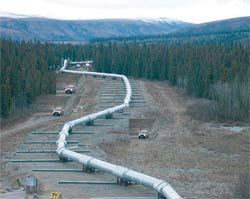
India has suggested that international organisations like the World Bank should facilitate financing of energy transport infrastructure, like oil and gas pipelines, to overcome bilateral or regional complexities.
 "We, in India, support global initiatives that strengthen mutual energy security by promoting a truly open, competitive and globally integrated energy market and which ensure the long-term interest of both the producers and consumers," Jitin Prasada, minister of state for petroleum and natural gas told the opening session of the first Asia-Europe Meeting (ASEM) ministerial conference on energy security at Brussels.
He said India prefers a revamping the global energy architecture by encouraging a participatory model based on diversification of energy sources, stability of energy supplies, security of energy transportation and creation of new energy infrastructure and its protection.
He also proposed that suppliers and buyers should enter into long-term sale and purchase agreements not only for the purpose of supplies but also for prices to bring stability in oil prices.
"We are sure that ASEM participants together will come up with new approaches, initiatives and ideas that can address the rising energy anxiety so that we can rework out the global energy architecture for common benefit," he said.
ASEM members, especially EU members and the East Asian countries, are among major consumers of traditional energy such as petroleum, whose overall consumption accounts for about two third of the world's total consumption.
