US Senate to vote on Indo-US nuclear deal today
01 October 2008
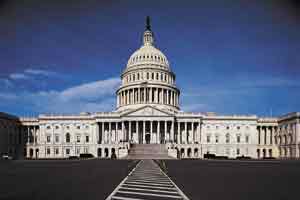
 Washington: The United States Senate is due to vote on legislation intended to ratify the US-India civilian nuclear agreement today. The Bill, according to Congressional sources, will be taken up for consideration at 10 am (7.30 pm IST) on Wednesday, October 1, but voting is likely to take place much later (October 2 for India) on account of the Jewish festival of Rosh Hoshanna.
According to political observers, the fact that the Bush administration has persuaded the Senate to take up the vote alongside the financial bail-out debate and vote, which is taking place on the same day, is a measure of the importance that it attaches to this deal. Being highlighted as the centrepiece of Washington's strongly developing strategic ties with New Delhi, secretary of state Condoleezza Rice has reportedly convinced Senate elders to give the Bill final approval before her scheduled visit to New Delhi on 3 October.
 It is expected that there would be some measure of opposition to the Bill in the Senate as well, keeping in mind the determined attempts by the non-proliferation lobby to kill the deal.
The Bill has evinced strong support from US and Indian industry and business leaders and has strong support within the Senate as well. It remains to be seen if the Bill is passed in a form that is acceptable to India.
On Tuesday, Senate majority leader, Democrat Harry Reid, announced that the chamber would take up the US-India nuclear agreement legislation, including two amendments that seek to determine US response to any Indian nuclear test.
According to reports, one of the amendments demands that in the event of an Indian nuclear test, the US president should certify that no American technology or material supplied under the accord was used in the explosion.
